Learning Bioinformatics in the AI Era.

Bioinformatics topics, visual walkthroughs, and structured learning tracks for biologists and computational researchers—combining core omics data types and count statistics with practical ways to use ChatGPT, Gemini, and foundation models in R and Python.

Principles first. New tools and AI workflows in context.

CodingGenes connects enduring omics and statistical fundamentals with the new assays, software ecosystems, and AI workflows shaping modern bioinformatics.

Learn Bioinformatics Principles

Single-Cell Spatial Omics Benchmark & Audit

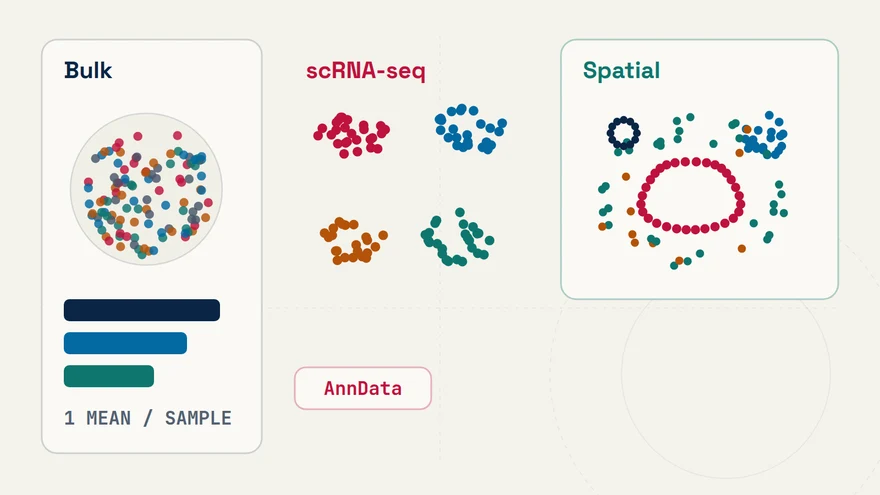
Understand what bulk RNA-seq, single-cell UMI droplets, and spatial imaging physically sample from tissue—and why experimental design, biological replication, and count distributions determine which statistical model is valid.
Harness LLMs & Coding Agents in R and Python

R & Python AI & Models

Use ChatGPT, Gemini, and coding agents to write Scanpy, Seurat v5, and DESeq2 code faster—while knowing how to specify replicate metadata, batch covariates, and statistical sanity checks so every result holds up to peer review.

Read: Why now is the best time to learn bioinformatics
# Specify biological unit & covariates
pb = dc.get_pseudobulk(
    adata, sample_col="donor_id",
    groups_col="cell_type", mode="sum"
)
dds = DeseqDataSet(
    pb, design="~ batch + condition"
)

Structured learning tracks.

Follow a coherent path from core omics data types and statistical design to reproducible R and Python pipelines—starting with focused topics today and growing into structured courses.

All topics & tracks

Omics Foundations & Data Types

Single-Cell Spatial Omics R & Python

Understand how bulk cohorts, barcoded droplets, and tissue imaging turn RNA molecules into count tables—and choose the container (SummarizedExperiment, AnnData, SpatialData) that matches your biological question.

  • Sampling units: tissue bulk vs. dissociated droplets vs. in situ coordinates
  • Sparse UMI count geometry, library-size scaling, and variance stabilization
  • Interoperable containers across Bioconductor (R) and scverse (Python)

Bioinformatics with AI & LLMs

AI & Models R & Python Benchmark & Audit

Use ChatGPT, Gemini, and coding agents to accelerate Scanpy, Seurat v5, and Nextflow scripts while auditing sample sizes, covariates, and biological foundation model (ESM-2, scGPT) assumptions.

  • Structuring prompts with explicit metadata schemas and experimental designs
  • Ten-second statistical audits for AI-generated differential expression scripts
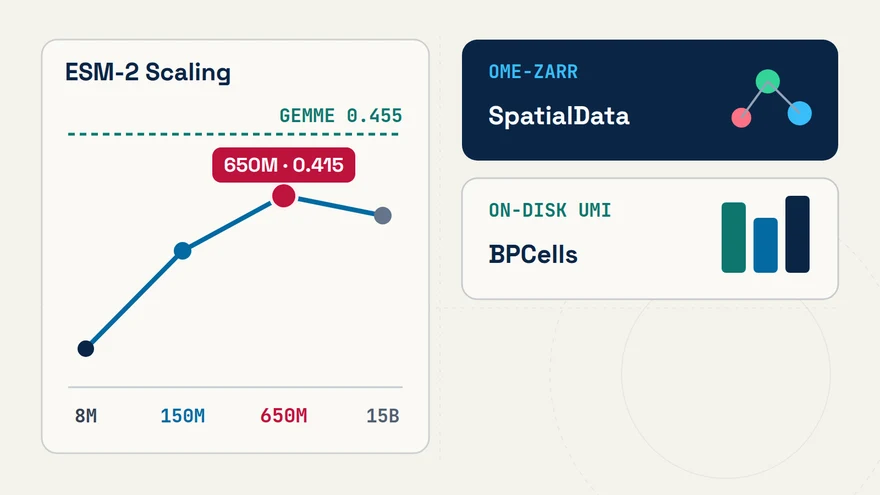
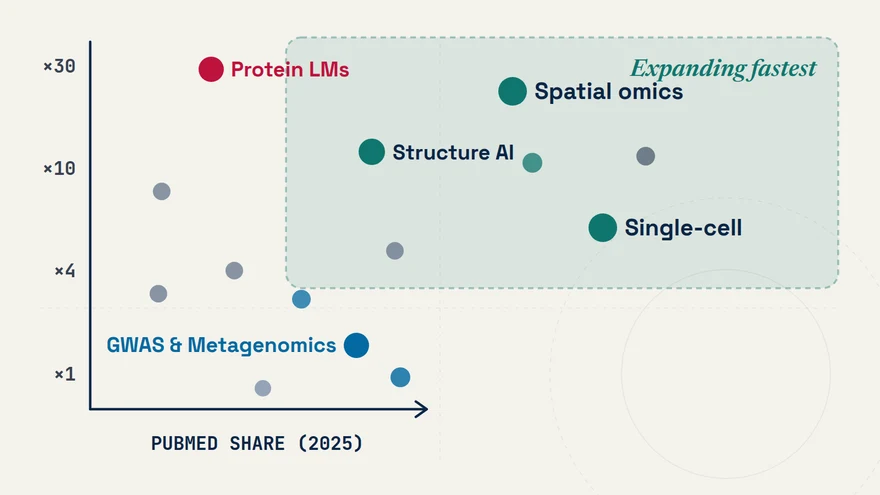
  • When pretrained protein and single-cell foundation models help—and where they plateau

Statistical Modeling in R & Python

Benchmark & Audit Single-Cell R & Python

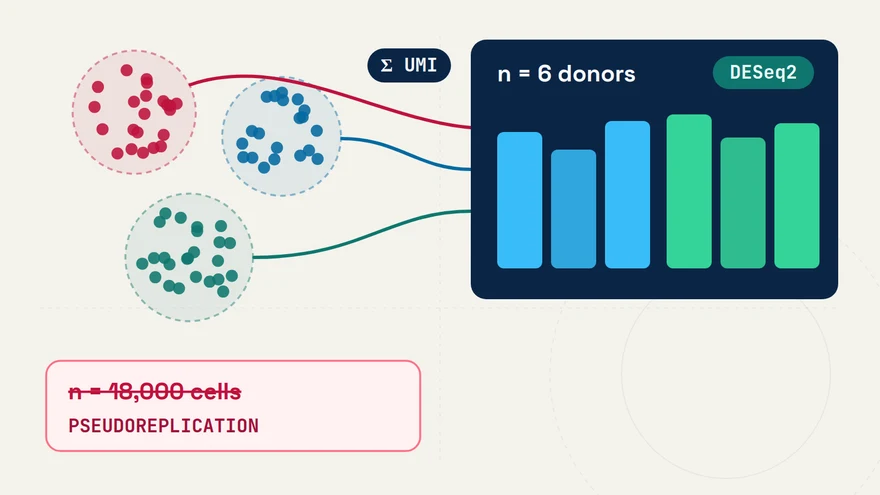
Fit calibrated generalized linear models where treatment was actually assigned: donor pseudobulk aggregation, batch adjustment, dispersion estimation, and effect-size shrinkage in DESeq2 and PyDESeq2.

  • Preventing pseudoreplication when cells are nested inside patients or animals
  • Negative-binomial GLMs, design formulas (~ batch + condition), and apeglm shrinkage
  • Donor-level PCA diagnostics and per-replicate stripcharts before wet-lab validation

Spatial Omics, Benchmarks & New Methods

Spatial Omics Paper & Releases AI & Models

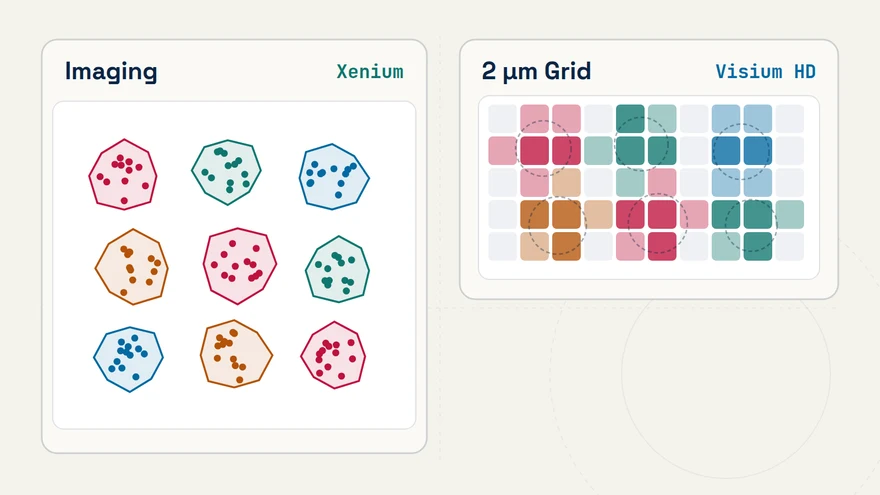
Compare imaging (Xenium, CosMx) against barcoded sequencing (Visium HD), scale million-cell atlases on disk (BPCells, backed AnnData), and evaluate new methods against classical baselines.

  • Padlock/ISH probe imaging vs. 2 µm spatial barcoding trade-offs on FFPE tissue
  • Cell-boundary spillover checks and anatomical-compartment permutation nulls
  • Zero-shot protein (ProteinGym) and single-cell (scverse) benchmark evaluations

Latest topics and field notes.

Focused discussions, worked R and Python analyses, and concise notes on new methods—written so you can read at your own pace or watch alongside our YouTube lessons.

Browse all topics
AI & Models Single-Cell R & Python

Why Now Is the Best Time to Learn Bioinformatics

Principles4 min read

Interoperable omics containers and large language models have removed much of the syntactic friction in computational biology—making experimental design, how omics assays generate data, and statistical verification the highest-leverage skills to learn.

Explore featured topic

Common questions.

How we approach bioinformatics in the AI era, R and Python workflows, and upcoming courses.

Who is CodingGenes built for?

Wet-lab biologists learning computational analysis, graduate students and postdocs working with bulk, single-cell, or spatial omics data, and practicing bioinformaticians who want solid statistical judgment alongside modern AI tools.

How should I use ChatGPT or Gemini in a bioinformatics project?

Use LLMs to accelerate syntax—writing Scanpy, Seurat v5, DESeq2, or Nextflow boilerplate, reshaping metadata tables, and drafting diagnostic plots—while you explicitly specify the biological replicate unit, batch covariates, raw integer vs. normalized layers, and primary validation checks.

Are structured courses coming to CodingGenes?

Yes. All topics, field notes, and YouTube lessons are open to read and watch, and our four Learning Tracks (Omics Foundations & Data Types, Bioinformatics with AI & LLMs, Statistical Modeling in R & Python, and Spatial & Benchmarks) are organized as the curriculum backbone for upcoming multi-module courses.

Do your topics cover R or Python?

Both. Research groups routinely bridge Python (AnnData, scverse, PyDESeq2, SpatialData) and R (Bioconductor, SummarizedExperiment, DESeq2, Seurat v5), so we present side-by-side implementations grounded in the statistical model both languages fit.

New bioinformatics topics, AI workflows, and field updates. Unsubscribe anytime.
Enter an email address in the format name@university.edu.